Key Takeaways
- 290 Wine Shuttle offers access to more than a dozen wineries along a scenic stretch of the Texas Hill Country.
- Non-drinkers are accommodated, as many stops offer zero-proof beverages, food pairings, and scenic experiences.
- The Texas Hill Country is one of the most visited wine tourism regions in the United States, drawing millions of visitors annually.
- Most wineries along the route provide alternatives like sparkling water, grape juice, tea, coffee, and curated food menus.
- The experience is as much about landscapes, hospitality, and design as it is about wine.
While wine tasting is often the centerpiece of the 290 Wine Shuttle experience through the rolling landscapes of the Texas Hill Country, not every guest is there to drink alcohol. In fact, a growing number of visitors are choosing to join the route for social, scenic, and culinary reasons, and not for consuming wine.
For our non-drinking guests, we want you to know that you absolutely can and should join us for a rich experience that can be just as rewarding without alcohol. Whether for personal preference, health reasons, designated driving alternatives, or simply curiosity, non-drinkers will find our route filled with expansive vineyard views, generous hospitality, and a surprising number of non-alcoholic offerings.
In fact, there are plenty of things to do in the Texas Hill Country that don’t involve drinking wine.
290 Wine Shuttle: What We Offer
Here at 290 Wine Shuttle, we offer a hop-on, hop-off transportation service that connects a large collection of wineries along the Highway 290 corridor. This means you can explore multiple stops without needing to drive between locations, which is especially important given the popularity of wineries across the region.
Designed for flexibility, our route allows guests to choose where they stop, how long they stay, and which wineries they want to explore more deeply. While wine tasting is the primary draw, the shuttle itself acts as a gateway into the broader culture of the Texas Hill Country wine scene—one that includes architecture, food programs, outdoor seating areas, and scenic vineyard landscapes.
Non-Alcoholic Options Along The Route
Wine may be the focus at most stops, but if you’re a non-drinker, you’ll be happy to learn that many wineries are accommodating a broader audience than they used to. This shift reflects a wider trend in hospitality: not everyone is interested in drinking alcohol, but many still want a full tasting-room experience.
For example, studies show that 21% of Gen Z individuals say they don’t consume alcohol and 39% drink only occasionally, citing physical health and mental health concerns as well as a lack of interest in alcohol. However, other people just don’t feel like consuming alcohol the day they visit, but may in the future.
That’s why, across the route, you can find common non-alcoholic options such as:
- Sparkling and still water served in tasting rooms or outdoor patios
- Fresh juices, often including grape juice or seasonal blends
- Coffee and tea selections, particularly at larger estate wineries
- Non-alcoholic mocktails or house-made zero-proof spritzes at select locations
- Food pairings that highlight local cheeses, charcuterie, and small plates
The sensory experience of the winery itself can be a focus rather than the alcohol content. Aromatics, vineyard education, and guided tours can provide a full engagement with winemaking culture without the need for a tasting pour.
A winery visit isn’t only about what’s in the glass—it’s about the land, the craft, and the pace of the experience.
Experiencing The Texas Hill Country Without Wine
The Texas Hill Country, including Fredericksburg at its heart, is one of the most visited wine regions in the country, attracting millions of visitors each year. The Highway 290 corridor alone has become a major tourism route, with wineries spaced closely enough to make day trips or shuttle tours practical and popular.
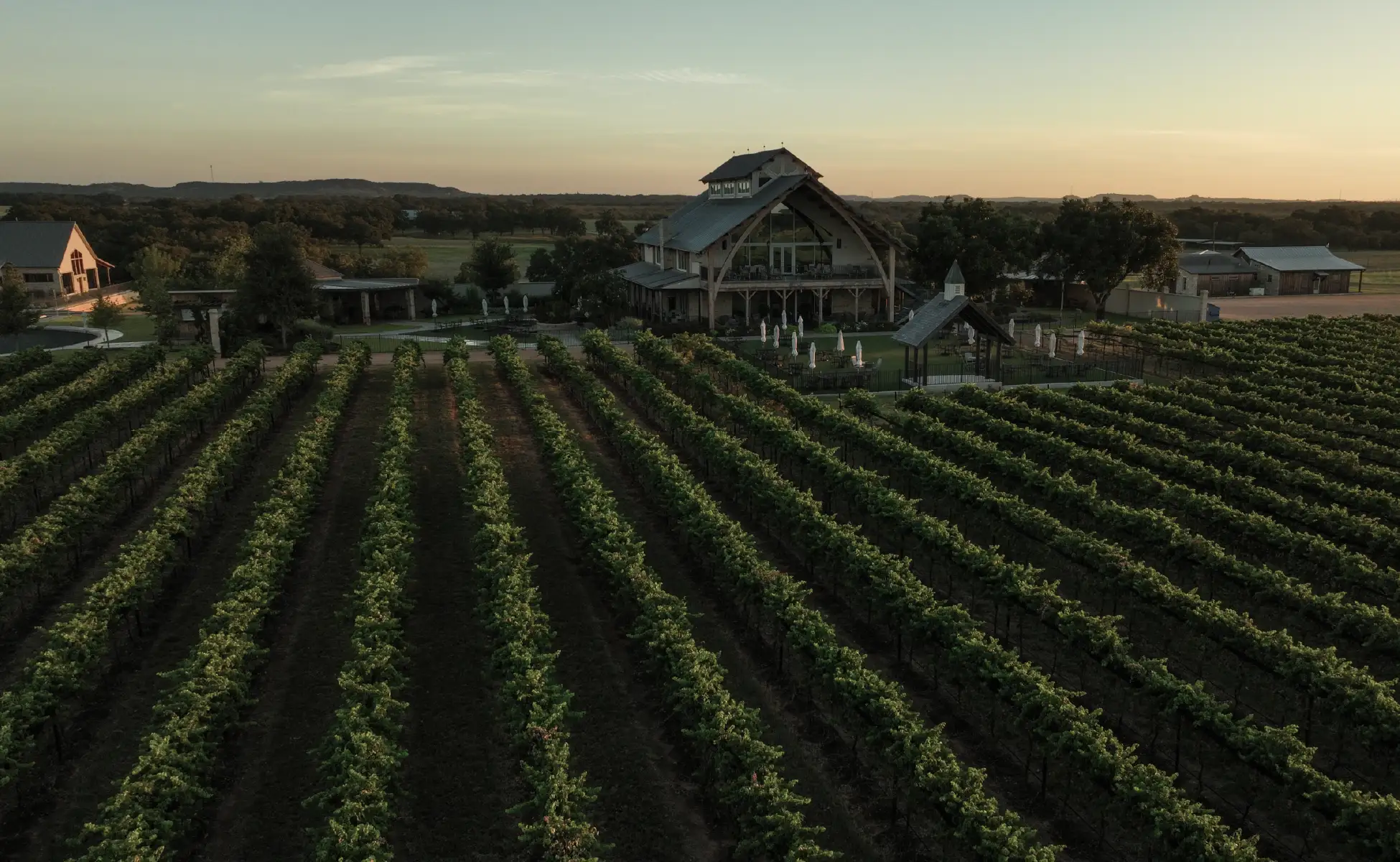
What’s so appealing about this region to non-drinkers? It’s all about the landscape, comprised of rolling hills, limestone cliffs, and wide vineyard stretches where visitors can spend hours walking the grounds, relaxing on patios, or enjoying culinary delights.
With a focus on design and hospitality, many tasting rooms resemble modern architecture showcases, rustic estates, or boutique event spaces built for lingering rather than rushing.
In the Texas Hill Country, the experience is as visual as it is sensory. The scenery often becomes the main event.
This makes the 290 Wine Shuttle particularly well-suited for mixed groups where not everyone is drinking. While some guests participate in tastings, others can still enjoy the same stops without feeling excluded.
What Makes The Route Work For Non-Drinkers
The 290 Wine Shuttle experience is attractive to so many because it accommodates different levels of participation. Unlike traditional bar crawls or tasting tours, winery stops are not solely centered around consumption speed or volume.
Instead, time is structured around exploration. Guests can feel free to move between indoor tasting rooms, shaded patios, vineyard walking paths, and food service areas, engaging with the environment in a way that doesn’t feel exclusionary.
You may even be able to catch a vineyard tour to learn about grape growing, climate conditions in the Texas Hill Country, and the winemaking process itself.
Practical Tips for Non-Drinkers on The Route
Here’s how non-drinking guests can get the most out of their experience:
- Ask about zero-proof options upon arrival, as many are not listed on standard tasting menus
- Focus on wineries with strong food programs if beverage tasting is not the priority
- Take advantage of outdoor seating areas, which are a major feature along the route
- Use shuttle timing to allow for slower-paced visits rather than quick stops
- Explore vineyard grounds where walking paths are available
- Check winery websites ahead of time for non-alcoholic menus
- Plan longer stops at wineries known for views or food experiences
FAQs
Q: Do I need to drink wine to enjoy the 290 Wine Shuttle?
A: No. Many guests use the shuttle for sightseeing, dining, and social experiences without participating in wine tastings.
Q: Are there non-alcoholic drinks available at most wineries?
A: Yes. While offerings vary, many wineries provide water, juice, tea, coffee, or mocktails as alternatives.
Q: Is food available along the route?
A: Yes. Many wineries in the Texas Hill Country feature food trucks, small plates, or full kitchen menus.
Q: Will I feel out of place if I am not drinking?
A: No. The modern wine tourism experience in the region is built around hospitality and atmosphere, not just alcohol consumption.
Q: Can I still participate in tours or events?
A: Yes. Vineyard tours, live music, and educational experiences are typically open to all guests regardless of tasting participation.
290 Wine Shuttle isn’t just a wine-focused journey. For non-drinkers, it offers a unique way to experience the Texas Hill Country through landscape, hospitality, and culinary culture without a focus on alcohol consumption.