Key Takeaways
- The shape, size, and design of a wine glass can influence aroma, flavor, temperature, and the overall tasting experience.
- Different wines require different glass styles to highlight their unique characteristics.
- Even casual wine lovers will notice improvements in aroma and flavor when using proper tasting glasses.
- The right glass enhances oxygen exposure, concentrates aromas, and directs wine to the ideal part of your palate.
- Investing in quality glasses brings wine events, group tastings, and winery visits to a new level.
You may enjoy a nice glass of wine at the end of a long day, or even on the weekends with friends. But did you know that wine tasting should actually be a sensory experience shaped by aroma, texture, temperature, and taste? Of course, the wine itself takes center stage, and it must be of high quality to begin with. However, the glassware you pour it into has a powerful influence on how those flavors react to your palate.
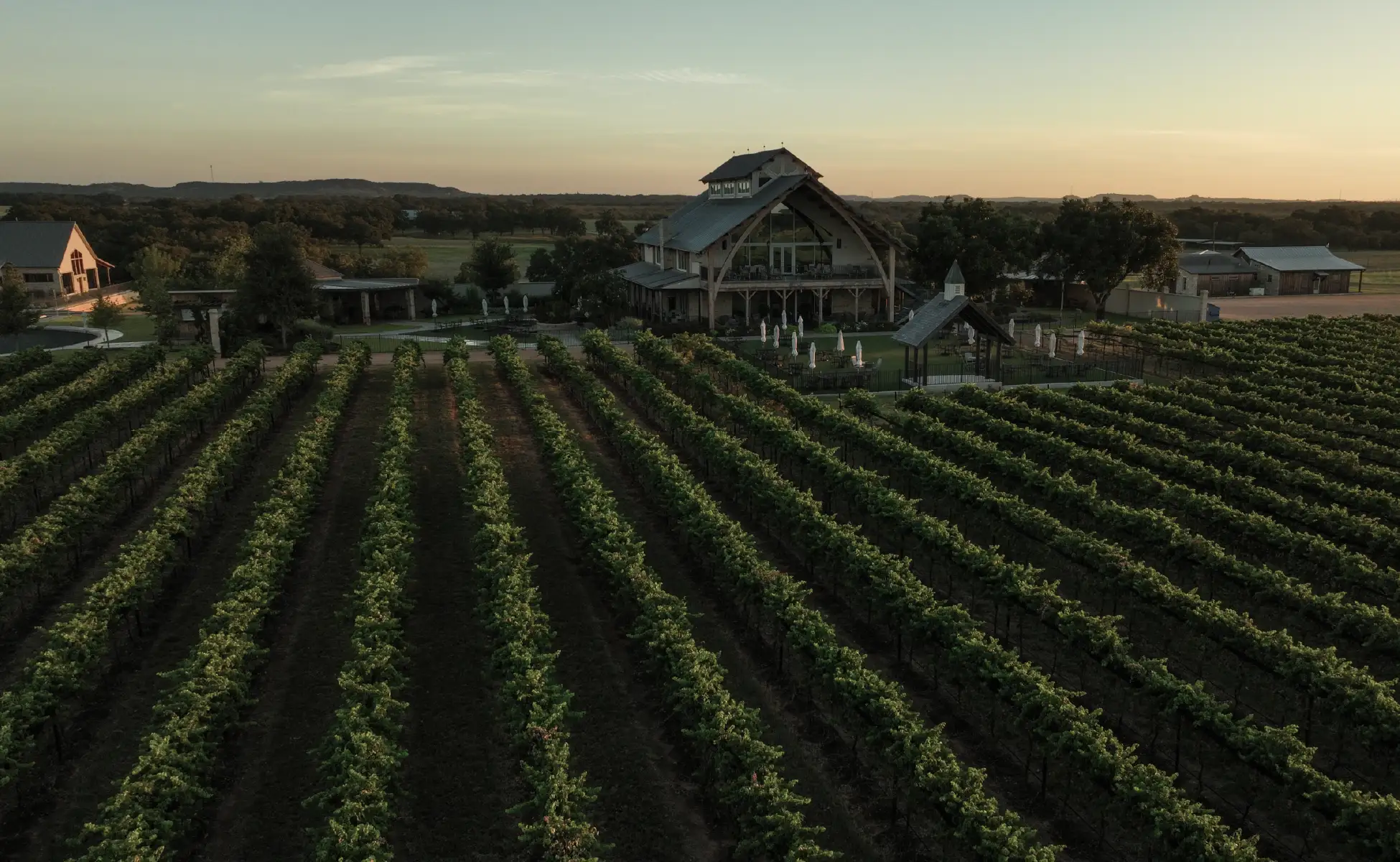
When hitting up wineries along the Texas 290 Wine Trail, it’s important to select the right glasses to elevate your tasting adventure. It can spell the difference between enjoyable and unforgettable!
The Science Behind Wine and Glassware
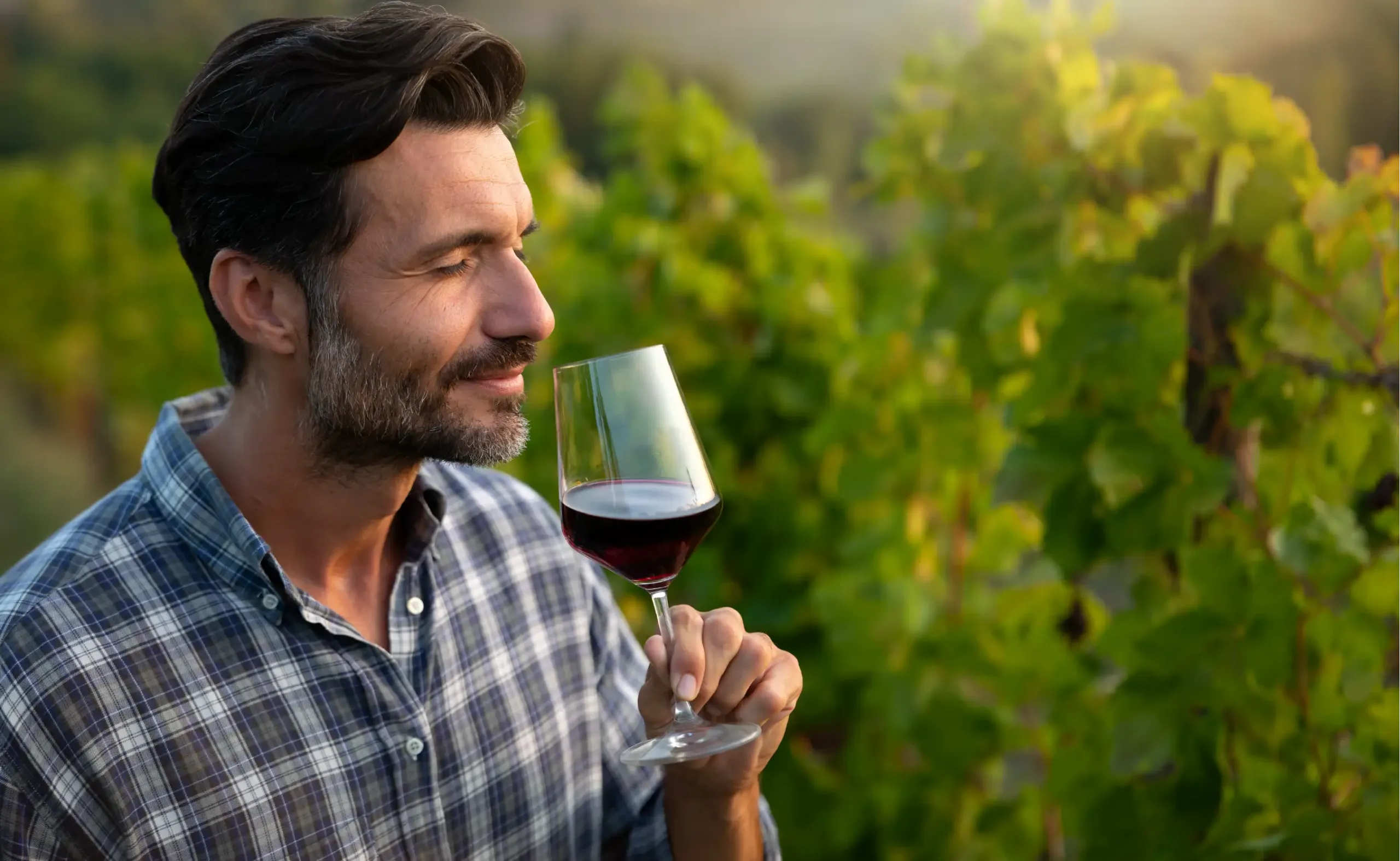
Smell is a major factor in any wine tasting. In fact, as much as 80 percent of what we perceive as “flavor” actually originates from aroma, according to Food, Wine & Flavor. The shape of the glass affects how aromatic compounds are captured, released, and directed toward your nose.
A well-designed glass can:
- Emphasize delicate fruit notes
- Soften tannins
- Direct acidity
- Enhance mouthfeel
On the other hand, a poorly-designed glass can dampen aromas, exaggerate alcohol notes, and flatten the complexity of the flavor.
When it comes to bowl shape, rim diameter, and stem vs. stemless design, they all matter. For instance:
- Wider bowls are ideal for reds, as they allow more aeration and soften tannins, while narrower bowls, ideal for whites, enhance floral and citrus notes.
- The rim controls how aromas reach your nose, as well as the flow of wine to your palate. To intensify smell, use a slightly tapered rim, which traps aromas inside.
- Stems prevent heat from your hand from warming the wine too quickly. When it comes to accuracy, stemmed glasses are best.
Different Glasses for Different Wine Varietals
Certain glasses are designed to highlight or balance attributes such as tannins, acidity, alcohol level, and aroma.
- Red Wine Glasses: Red wines need air contact and a larger surface area for increased oxygen exposure. The larger openings offer a full aromatic release, and taller sides mean you can swirl without spilling.
- White Wine Glasses: More delicate, white wine needs glasses that are slightly smaller and narrower to retain cooler temperatures. These glasses can better highlight crisp acidity and floral or citrus aromas
- Sparkling Wine Glasses: The classic flute is popular for sparkling wine, but professionals prefer a tulip-shaped glass for better aromatic expression.
- Rosé Glasses: Some rosés can be used in glasses meant for light whites, while others can be used in wider bowls to better reveal complex aromas.
Glass Thickness and Material
Material and thickness of your wine glasses can also impact the tasting experience.
- Thin, Fine Crystal: These offer a delicate mouthfeel so that the wine can glide smoothly onto the palate
- Glass: Thicket and more durable, glass is ideal for casual tastings or group outings.
- Machine-Made vs. Hand-Blown: Hand-blown glasses are light and elegant, while machine-made glasses are more durable and consistent (great for frequently-used tasting sets).
Using the Right Glass to Enhance Your Wine Tastings
Texas Hill Country is the ultimate place to an experience wine tastings that engage all the senses. From the rolling landscapes to the artistry of local winemakers, don’t underestimate the glasses you use. The right choice will exponentially heighten your experience by allowing each pour’s personality to shine through.
Glass choice shapes tastings by:
- Improving aroma clarity and making floral, fruity, herbal, and earthy notes easier to identify.
- Balancing acidity, tannins, sweetness, and alcohol.
- Making subtle transitions more noticeable, such as berry to spice, or citrus to mineral.
- Enhancing appreciation of winemaking craftsmanship.
Glass choice becomes even more imperative when visiting multiple wineries in a day. You’ll be exposed to a wide spectrum of styles and varietals, so be sure to choose the right glasses to truly appreciate how each wine stands apart.
Sure, you’re out to have a good time when wine tasting. But far beyond simple enjoyment of the wine is an emphasis on discovery. Ensure a more expressive and memorable experience when you you sip from a glass that enhances aroma, flavor, and texture of each wine.